Since he took office, Trump has created so much havoc, it’s hard to keep track. A flurry of executive orders has upended financial markets as well as business and household finances. The political upheaval from his assumption of near total power has sparked uproar with the courts and the public. Internationally, allies are being treated like enemies, and there’s a real possibility of trade wars becoming shooting wars.
Upheaval in the U.S.
Trump’s tariff wars are a response to growing international economic competition, especially from China, that threatens the U.S. position at the very top.
The president’s initial announcements of sweeping tariffs were enough to contract the economy in the first three months of the year, causing quarterly negative growth for the first time since 2022. Then, in April, he announced import taxes so vast that Wall Street and other stock markets went into shock.
Trump backtracked, but not by much. The combination of still-enormous tariffs and day-to-day uncertainty caused businesses to stop investing. Job cutbacks are starting; United Parcel Service (UPS) means to lay off 20,000 workers. Inflation is increasing again as companies begin to raise prices. Many economists are forecasting a recession this year.
Additionally, Trump’s massive deportations hurt not only immigrants, but the whole economy, and the people within it. Migrant workers, with or without green cards, are crucial to food production for the U.S. and the world and to the construction and hospitality industries.
Another huge drag is the skyrocketing national debt. Trump’s Congress already passed enormous tax cuts for the rich, costing $1.9 trillion over 10 years, in 2017 during his first term. Now he’s pushing to extend and expand them for another $4.5 trillion. The ballooning deficit would be partially “offset” by $2 trillion in vicious cuts — the largest in history — which include heavy blows to Medicaid and food assistance.
Workers will bear the brunt of an economy rigged for the billionaires, as always. Layoffs will proliferate and tariffs will raise prices. Meanwhile, Trump’s anti-labor executive orders have, for example, reduced the minimum wage for federal contractors and stripped over a million workers of collective bargaining rights.
Global implications
In April, the International Monetary Fund (IMF) predicted a sharp slowdown of the global economy this year due to Trump’s tariffs and unpredictability. The U.S. economy is still the world’s largest by far, with China’s coming in second, and every other country’s trailing behind. Damage to the U.S. system affects the world.
In the first four months of the year, the value of the dollar declined by 8%. At home, this makes imports more expensive, fueling inflation.
Internationally, a falling dollar makes it more expensive for the U.S. to repay its massive debt to countries like Japan and China, cutting into its ability to spend in other crucial areas. Economists already recognize that the astronomical rise in the debt is unsustainable.
Furthermore, the dollar is the world’s reserve currency, widely used for international transactions. If foreign investors lose confidence in the U.S., the dollar’s reserve status could be weakened, with potentially disastrous consequences not just for the U.S. but for the whole interconnected global system.
Meanwhile, Trump’s dire cuts to international aid will increase misery throughout the world by depriving millions of people of food and medical aid they need for survival.
Capitalism wobbles, the right wing grows
The profit system by its nature must constantly expand. Companies must grow to beat out competitors. Businesses increase production by investing in new technologies and automating. Only their labor costs can be reduced, either by hiring fewer workers and getting more out of each, or by paying them less.
And a worker paid less today, or standing in the unemployment line, is a penniless consumer tomorrow. Once production exceeds the ability of consumers to buy, recession or depression is inevitable. Markets are glutted.
This dynamic is inherent in capitalism. It can’t be reformed away. Each crisis becomes wider and deeper. The profit system is hurtling down a dead end.
Out of the economic instability of the world economy over recent decades has come the international rise of reactionary governments, which Trump has joined. In Europe, Russia, Asia, Africa, the Middle East and Latin America, dictatorships abound and far-right populism grows.
These governments are consistently anti-immigrant, homophobic, transphobic, and hostile to the rights of women and workers. Historically, they often come to power in response to popular resistance, like the protests against the post 9-11 “War on Terror,” the Afghanistan and Iraq antiwar movements, Occupy Wall Street, and the Arab Spring uprisings. New crises of climate change and capitalist stagnation are again feeding both reaction and rebellion.

Where to from here?
The pressure on today’s working class is intense. Globally, competition for resources, territory and wealth sparks imperialist and civil wars. Working people pay with their lives and livelihoods from Africa to Ukraine to Palestine, and the Earth pays with its health.
The capitalist refusal to let people’s needs be met means homelessness, unemployment and underemployment, low wages, and skyrocketing personal debt. Nearly 700 million people live in extreme poverty.
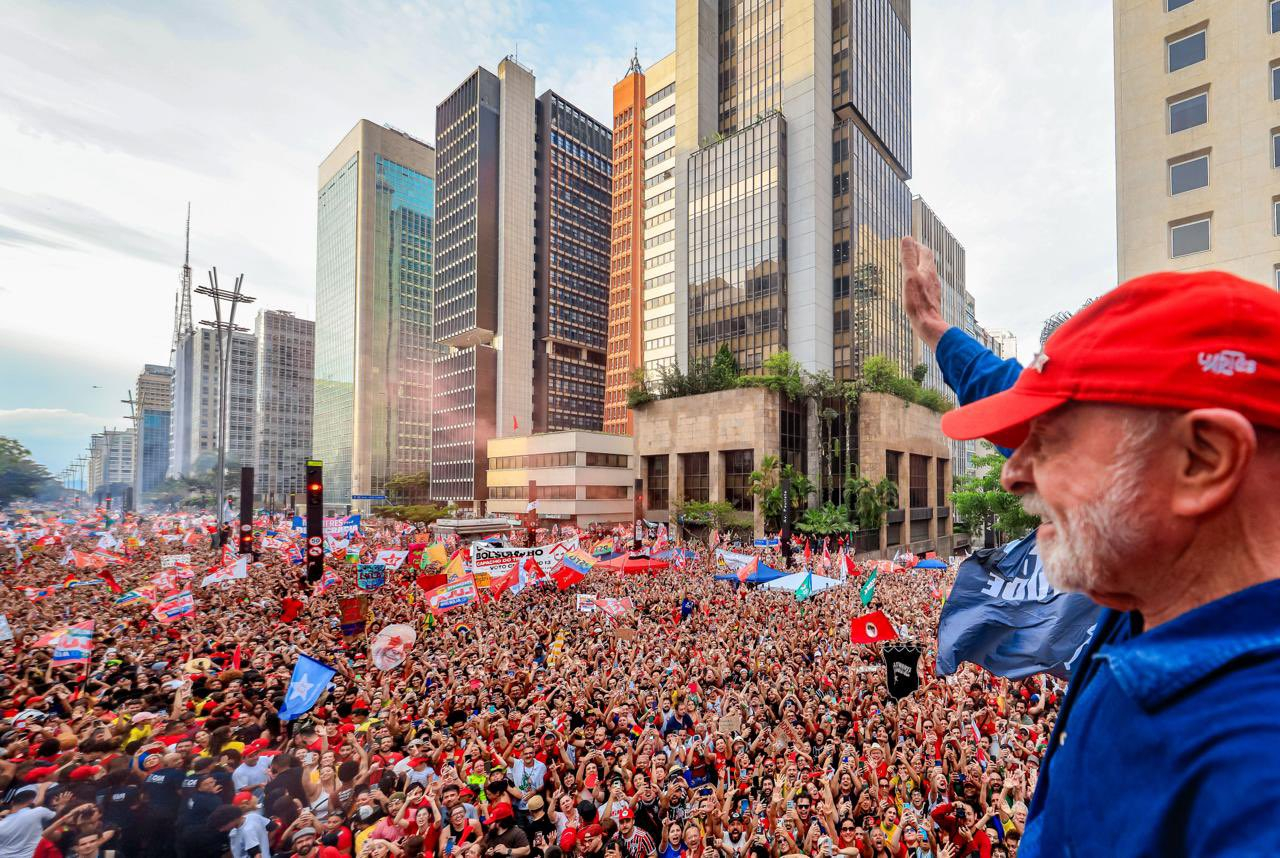
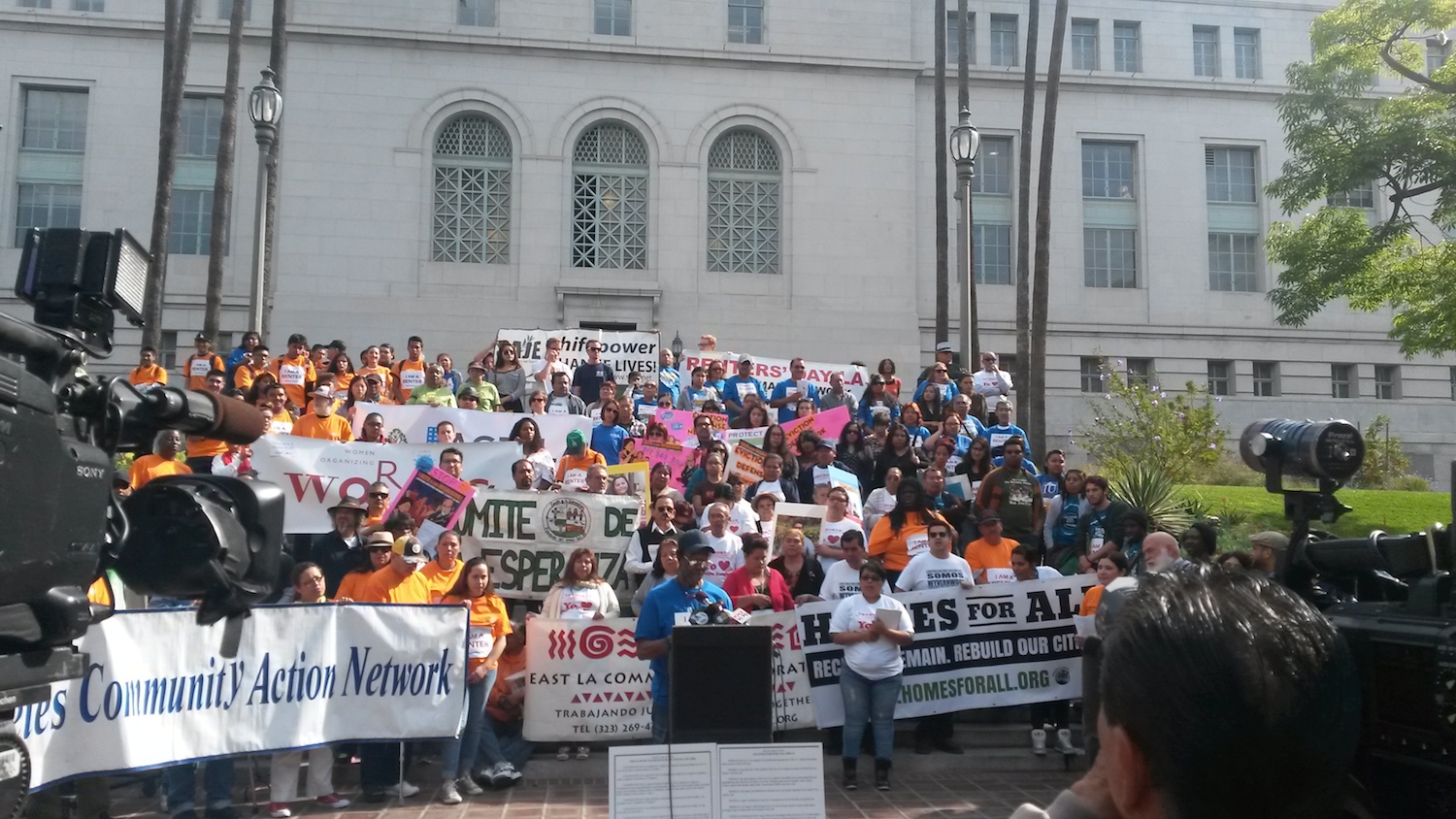
But this obscene exploitation is sparking determined international resistance. Labor organizing and strikes are growing. Protests against Trump’s policies have reached beyond the U.S. to Canada and Europe.
What’s needed first of all is international working-class solidarity, actions on the principle of “an injury to one is an injury to all” on a global scale. On the same theme, organizations and movements nationally need to join in united fronts with clear, multi-issue demands that defend all those under attack.
Ultimately, workers and oppressed people will need to go beyond immediate issues to work for the rejection of the profit system. This is the only realistic and sustainable road forward, for the planet and its inhabitants.
Send feedback on this article to FSnews@socialism.com.